
What Is Pediatric Dentistry?
Pediatric dentistry focuses on the oral health of children from infancy through the
teenage years. Children’s teeth, gums and jaws are still developing, so treatment
needs a gentler touch, smaller instruments and a calmer approach than adult
dentistry. Early visits also help catch decay, alignment issues or habits like thumb
sucking before they become bigger problems.
Why Choose Dentistark for Pediatric Dentistry in Sainikpuri
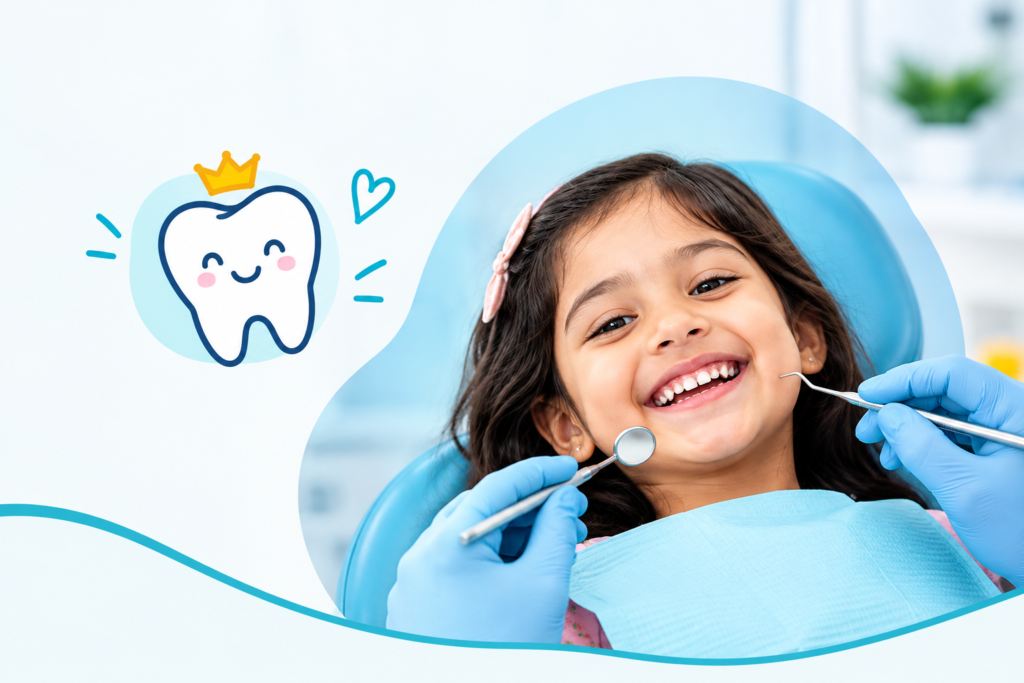
Parents across Sainikpuri and Neredmet choose Dentistark for pediatric dentistry because Dr. Anil Kumar Reddy’s 27+ years of experience means even anxious children are handled calmly and confidently. Our in-house zirconia lab helps speed up treatments like crowns when needed, meaning fewer visits for your child. We take time to explain each step in simple terms so children feel involved rather than frightened, and we prioritise saving the natural tooth whenever it is safely possible.
Common Children's Dental Treatments We Offer
Pulpotomy & Pulpectomy
When a cavity reaches the nerve of a baby tooth, a pulpotomy removes the affected pulp in the crown while pulpectomy removes it from the root canals too, relieving pain and saving the tooth. Often followed by a protective crown.
Fillings for Baby Teeth
Small to moderate cavities are treated with tooth-coloured fillings, stopping decay before it spreads or reaches the nerve
Fluoride Treatment
A quick, painless application that strengthens enamel and helps prevent future cavities, especially useful for children prone to decay
Dental Sealants
A thin protective coating applied to the chewing surfaces of back teeth, sealing out food particles and bacteria that cause cavities
Signs Your Child May Need a Dentist Visit
Watch for complaints of tooth pain, visible dark spots or holes in teeth, swollen or
bleeding gums, difficulty chewing on one side, or a child avoiding certain foods.
Even without visible problems, a check-up every six months with a dentist offering
pediatric dentistry in Sainikpuri helps catch issues early
Why Local Parents Trust Dentistark
Being a familiar, established dental clinic in the Sainikpuri and Neredmet area,
Dentistark combines Dr. Anil’s decades of experience with a calm, child-friendly
approach. Many families return visit after visit because their children feel
comfortable here, not anxious
What to Expect During Your Child's Visit
Getting Comfortable
We take time to help your child settle in, explaining what will happen in simple, friendly language before starting
Gentle Examination
Dr. Anil checks teeth, gums and bite development, looking for early signs of decay or alignment concerns
Treatment, If Needed
If a filling, pulpotomy, pulpectomy or other treatment is needed, we explain the process to both you and your child before proceeding
Guidance for Parents
We share simple home-care tips tailored to your child’s age and habits, so good oral health continues between visits
Frequently Asked Questions
At what age should my child first visit the dentist?
Most dentists recommend a first visit by the child’s first birthday, or as soon as the
first tooth appears, to build comfort with dental visits early
Do baby teeth really need treatment if they will fall out anyway?
Yes. Baby teeth hold space for permanent teeth and support chewing and speech
development. Untreated decay can cause pain, infection and affect how permanent
teeth grow in
How can I prepare my child for their first dental visit?
Keep the conversation light and positive, avoid words like “pain” or “injection,” and
consider bringing them along to your own appointment first so they see what to
expect
How often should children have dental check-ups?
Every six months is generally recommended, though Dr. Anil may suggest more
frequent visits if your child is prone to cavities
Is pulpotomy painful for children?
The procedure is done under local anaesthesia, so children typically feel little to no
pain during treatment, with only mild soreness afterward.